


What makes a premium watch strap: quality and comfort

Many assume thicker watch straps mean better quality and luxury. This misconception leads buyers to overlook crucial factors like material authenticity, craftsmanship precision, and ergonomic design. Premium watch straps balance multiple elements, from leather grain quality to modular versatility, ensuring both aesthetic appeal and all-day comfort. This guide equips you to identify truly premium straps that enhance your style and wearing experience.
Table of Contents
Key takeaways
| Point | Details |
| Material quality matters most | Full-grain leather, 316L stainless steel, and high-grade synthetics determine longevity and feel |
| Craftsmanship creates durability | Hand saddle stitching and vegetable tanning outlast machine methods significantly |
| Modular systems add versatility | Quick-change mechanisms let you match multiple watches and occasions effortlessly |
| Ergonomic design improves comfort | Properly shaped straps with breathable materials reduce moisture and pressure points |
| Thickness does not equal quality | Balanced dimensions matter more than extreme thickness for real-world comfort |
Introduction to premium watch straps
Premium watch straps combine exceptional materials, expert craftsmanship, and thoughtful design to elevate your timepiece. For collectors and fashion-forward individuals, straps serve as personal style statements while providing reliable performance. The premium category extends beyond price tags to encompass quality indicators like full-grain leather authenticity, corrosion-resistant metals, and precision finishing techniques.
Watch enthusiasts traditionally valued straps for their handcrafted details and material rarity. Modern buyers now seek additional benefits like quick-change functionality and dual-watch wearing capability. This evolution reflects changing lifestyles where versatility and personalization drive purchasing decisions. Modular watch straps increase satisfaction by 40% by blending traditional craftsmanship with contemporary innovation.
The best premium straps deliver on multiple fronts:
-
Superior materials that age gracefully and resist daily wear
-
Expert construction techniques ensuring years of reliable use
-
Comfort features matching your wrist anatomy and activity level
-
Customization options reflecting your unique style preferences
Collectors appreciate steel watch strap innovation that maintains luxury aesthetics while adding modern functionality. Fashion-conscious buyers value innovative watch bracelet designs that adapt to changing occasions throughout the day. Understanding these quality dimensions helps you select straps offering genuine long-term value rather than superficial appearance alone.
Material types and quality indicators
Material selection fundamentally determines strap performance, longevity, and aesthetic character. Premium leather straps use full-grain leather retaining the hide’s natural surface with visible pores and grain patterns. This contrasts with corrected leather, where manufacturers sand away imperfections and emboss artificial grain patterns. Full-grain leather develops rich patina over time, becoming more beautiful with age and daily wear.
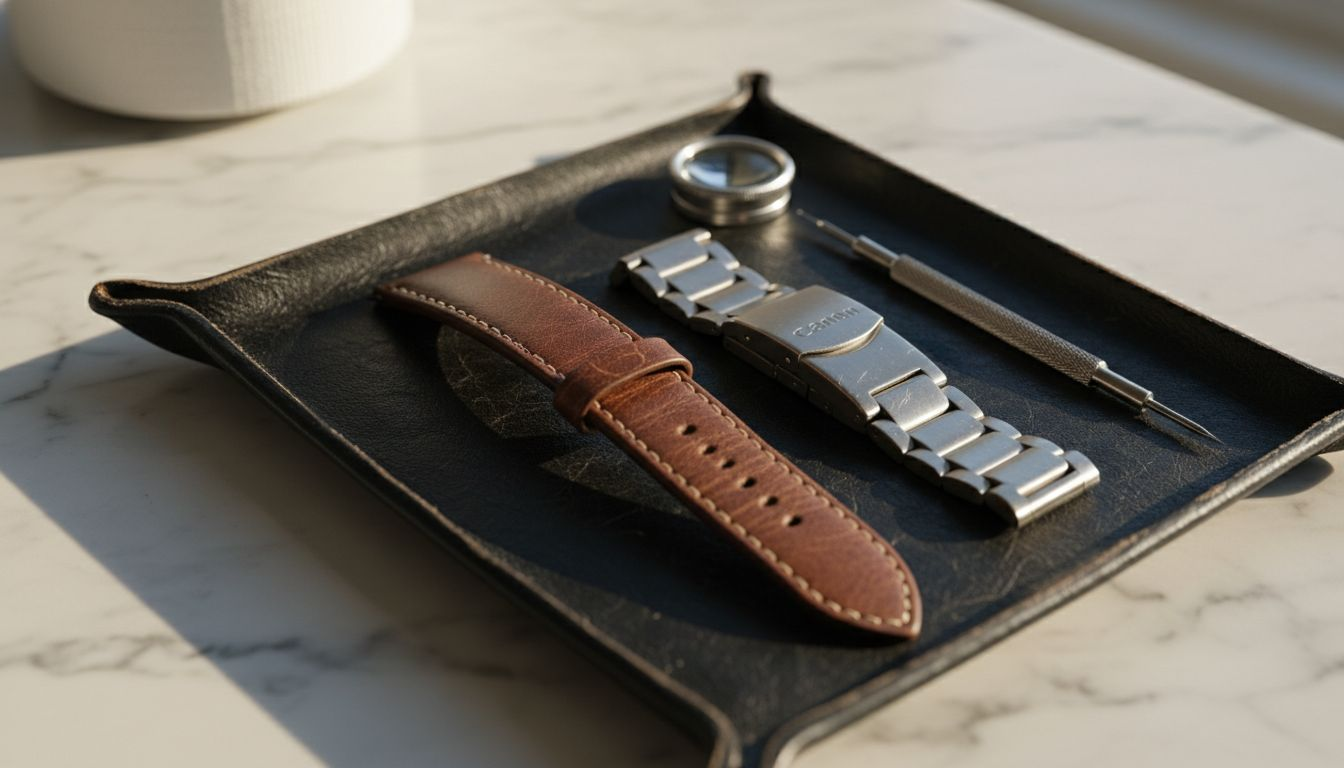
Premium metal straps typically feature 316L stainless steel, a marine-grade alloy offering excellent corrosion resistance and durability. This medical-grade material resists salt water, sweat, and chemical exposure better than standard steel alloys. Titanium options provide similar strength at roughly half the weight, ideal for those prioritizing comfort during extended wear. Look for grade markings on clasps indicating authentic premium metals.
High-grade synthetic materials like medical-grade silicone deliver specific performance advantages. These materials offer complete water resistance, flexibility across temperature extremes, and hypoallergenic properties for sensitive skin. Quality synthetics maintain their shape and color integrity through years of exposure to UV light, chlorine, and physical stress.
Key quality indicators to examine include:
-
Visible natural grain patterns in leather without artificial embossing
-
Metal grade stamps on clasps and buckles confirming alloy quality
-
Consistent finish across all strap surfaces without color variations
-
Natural suppleness in leather that flexes smoothly without cracking
-
Seamless joins and transitions between strap components
Inspect modular strap materials under good lighting to spot quality differences. Premium materials feel substantial without excessive weight and show meticulous attention to surface finishing details.
Craftsmanship and finishing techniques
Manufacturing process quality separates truly premium straps from mass-market alternatives. Hand saddle stitching uses two needles passing thread through each hole from opposite directions, creating interlocking patterns impossible to replicate by machine. This technique ensures that if one stitch breaks, the entire seam remains intact. Machine stitching uses single-thread lockstitch patterns that unravel completely once compromised.
Leather tanning methods dramatically impact final strap characteristics. Vegetable tanning uses natural tannins from tree bark in processes taking weeks or months. The result produces leather that breathes naturally, develops distinctive patina, and biodegrades at end of life. Chrome tanning uses chemical solutions completing in days, yielding softer leather with less natural aging character and environmental concerns.
Finishing techniques protect strap edges and enhance visual appeal. Edge painting applies colored sealants preventing moisture absorption and fraying at leather cut edges. Burnishing uses friction and natural compounds to compress and seal edges, creating smooth, polished surfaces resistant to wear. Premium straps often combine both techniques for maximum durability and refined appearance.
High-end manufacturers apply these finishing touches:
-
Beveled edges reducing sharp corners for improved wrist comfort
-
Multiple layers of edge treatment ensuring long-term protection
-
Consistent stitch spacing demonstrating precision and attention to detail
-
Hand-applied protective coatings on metal components preventing oxidation
Pro Tip: Examine stitching under magnification when possible. Premium straps show perfectly consistent stitch tension and spacing, while budget options display irregular patterns and loose threads. Check edge finishing by running your finger along strap sides. Rough or unfinished edges indicate shortcuts in manufacturing quality.
Customization, modularity, and versatility
Modular strap systems transform how you interact with your watch collection. These innovative designs use quick-release mechanisms letting you swap entire straps in seconds without tools. Modular strap benefits greatly improve user satisfaction by enabling instant style changes matching different outfits, occasions, or activities throughout your day.
The modular watch strap system concept extends further with dual-watch functionality. Paris-designed solutions let you wear traditional and smart watches simultaneously on one wrist, eliminating the two-watch awkwardness many tech-savvy collectors face. This addresses the modern dilemma of wanting classic timepiece aesthetics while accessing smartwatch features for fitness tracking and notifications.
Personalization options elevate straps from functional accessories to personal statements. Many premium manufacturers offer custom engraving on clasps or buckles, letting you add initials, dates, or meaningful symbols. Color customization spans leather dye choices, metal finish options like brushed versus polished, and accent details such as contrasting stitching threads. Attachment flexibility includes various clasp styles, buckle designs, and deployment mechanisms matching your preferences.
Versatility advantages multiply when single strap systems work across multiple watches:
-
Match formal leather to business meetings, then switch to sport rubber for gym sessions
-
Coordinate strap colors with seasonal wardrobes without buying separate watches
-
Travel lighter by bringing one watch with multiple strap options
-
Experiment with style combinations discovering new aesthetic preferences
Pro Tip: If you own multiple watches or frequently change your look, invest in modular systems with interchangeable components. The initial cost pays dividends through reduced need for complete watch purchases. Smartlet versatility and elegance demonstrates how precision-built modularity enhances both function and style across diverse wearing contexts.
Wear comfort and durability factors
Ergonomic design principles dramatically affect all-day wearing comfort. Premium straps incorporate subtle shaping following natural wrist curves rather than remaining rigidly flat. This contouring distributes watch weight evenly across your wrist, eliminating pressure points that cause discomfort during extended wear. Proper ergonomic shaping also reduces gaps between strap and skin where moisture and debris accumulate.
Ergonomic shaping and breathable materials reduce wrist moisture by approximately 30%, significantly improving comfort during active wear and warm conditions. This reduction comes from improved air circulation and reduced contact area where sweat accumulates. Better ventilation also minimizes skin irritation and odor development over time.
Balanced thickness proves more important than maximum thickness for real-world comfort. Straps between 2.5 to 4 millimeters at the watch lugs provide adequate support without adding bulk under shirt cuffs. Excessively thick straps create problems:
-
Restrict wrist mobility during typing, writing, and detailed hand tasks
-
Catch on clothing sleeves causing frustration and fabric wear
-
Feel heavy and oppressive during prolonged wear periods
-
Look disproportionate on smaller or medium-size wrists
Breathability features vary by material type but serve the same ventilation purpose. Leather straps benefit from natural pore structures allowing limited air exchange, though treatment and finishing affect this property. Perforated designs add deliberate ventilation holes improving airflow without compromising structural integrity. Synthetic materials like silicone use raised texture patterns or drainage channels promoting air circulation and moisture evacuation.
“Ergonomic shaping and breathable materials reduce wrist moisture by about 30%, improving all-day comfort through better ventilation and reduced pressure points during active use and warm conditions.”
Durability factors extend beyond material choice to structural design elements. Reinforced holes at buckle positions prevent tearing under repeated stress. Double-layer construction at high-wear areas like bends and buckle contact zones extends usable lifespan significantly compared to single-layer designs.
Common misconceptions about premium watch straps
Several persistent myths mislead buyers evaluating watch strap quality and value. Understanding these misconceptions helps you make informed decisions based on actual performance rather than marketing claims or superficial impressions.
-
Thicker straps always mean higher quality and luxury. Reality shows that excessive thickness often reduces comfort and flexibility without improving durability. Premium straps balance adequate support with wearing comfort, typically measuring 2.5 to 4 millimeters. Ultra-thick designs create bulk under clothing and restrict wrist movement during normal activities.
-
Exotic leathers automatically guarantee premium quality and superior performance. The truth is that tanning method and finishing technique matter far more than leather source. Well-tanned calf leather with proper edge finishing outlasts poorly-processed exotic skins. Some exotic leathers also require more maintenance and show wear faster than quality traditional leathers.
-
Synthetic straps represent inferior quality compared to natural materials. Modern high-grade synthetics match or exceed leather in specific performance metrics. Medical-grade silicone offers complete water resistance, consistent flexibility across temperatures, and zero maintenance requirements. These materials suit active lifestyles and water sports where leather fails.
-
All hand-stitched straps share equal quality regardless of technique. Different hand-stitching methods produce vastly different durability outcomes. Saddle stitching with double needles creates interlocking patterns that maintain integrity if threads break. Simple running stitches done by hand offer no advantage over quality machine work.
-
Premium straps require frequent replacement to maintain appearance. Properly maintained quality straps improve with age as leather develops patina and materials conform to your wrist. Budget straps deteriorate quickly requiring regular replacement, while premium options last years with basic care.
-
Brand name alone determines strap quality and value. Many established luxury brands outsource strap production to third-party manufacturers. Lesser-known specialist strap makers often deliver superior craftsmanship at better value by focusing exclusively on strap production expertise.
Comparison framework: choosing the right strap for you
Selecting the ideal premium strap requires matching material properties with your lifestyle, aesthetic preferences, and maintenance willingness. This comparison framework helps you evaluate options systematically.
| Material Type | Key Advantages | Main Limitations | Best Uses | Maintenance Needs |
| Full-Grain Leather | Develops rich patina; breathes naturally; classic elegance | Water sensitive; requires conditioning | Formal occasions; business wear; dress watches | Condition monthly; avoid water exposure |
| Stainless Steel 316L | Excellent corrosion resistance; minimal maintenance; professional appearance | Heavier weight; can scratch | Daily wear; sports watches; water activities | Occasional cleaning with soft cloth |
| Titanium | Lightweight; hypoallergenic; extreme durability | Higher cost; limited finish options | Active lifestyles; sensitive skin; extended wear | Minimal; wipe clean as needed |
| Medical-Grade Silicone | Complete water resistance; flexible; easy cleaning | Less formal appearance; can attract lint | Sports; swimming; outdoor activities; smartwatches | Rinse with water; air dry |
Consider these selection factors aligned with your specific situation:
-
Style context determines appropriate material formality and color choices
-
Activity level affects required water resistance and durability specifications
-
Skin sensitivity favors hypoallergenic materials like titanium or quality silicone
-
Watch type influences strap width, lug compatibility, and attachment methods
-
Climate conditions impact material breathability and moisture resistance needs
-
Maintenance commitment matches required care frequency with your available time
Modular systems offer unique advantages for collectors owning multiple watches or seeking maximum versatility. These solutions let you maintain one high-quality strap investment while changing watches or configurations based on daily needs. The ability to wear traditional and smart watches together addresses modern lifestyle demands without aesthetic compromise.
Match your primary use case with material strengths. Formal settings benefit most from full-grain leather’s refined appearance and natural aging character. Active lifestyles favor synthetic materials offering worry-free performance across diverse conditions. Tech-savvy users appreciate modular options integrating traditional timepieces with smartwatch functionality seamlessly.
Conclusion: applying your knowledge to make confident choices
You now understand the critical quality indicators separating truly premium watch straps from marketing hype. Material authenticity, craftsmanship precision, ergonomic design, and customization flexibility all contribute to long-term satisfaction. Thicker does not mean better. Instead, balanced dimensions, breathable construction, and proper finishing techniques deliver superior comfort and durability.
Apply these criteria when evaluating options. Examine stitching quality, check material authenticity markers, and consider how strap features align with your lifestyle needs. Premium straps represent investments in daily comfort and personal style expression. Choose thoughtfully to enjoy years of enhanced watch-wearing experiences.
Explore premium modular watch straps at Smartlet
Ready to experience the quality, comfort, and versatility this guide describes? Smartlet delivers Paris-designed innovation combining traditional craftsmanship with modern functionality.
Our patented modular watch strap system lets you wear traditional and smart watches together on one wrist, eliminating daily device compromise. Premium materials including 316L stainless steel and carefully selected leathers ensure lasting durability and refined aesthetics. Quick-change mechanisms provide the customization flexibility modern collectors demand.
Explore our complete range of straps and Smartlet One accessories designed for maximum versatility. Transform how you wear and enjoy your watch collection with solutions built for real life.
Frequently asked questions about premium watch straps
What is the difference between full-grain and corrected leather?
Full-grain leather preserves the hide’s natural surface including visible pores and authentic grain patterns. Corrected leather undergoes sanding to remove imperfections, then receives embossed artificial grain. Full-grain develops beautiful patina over time while corrected leather shows less character aging.
How does modularity improve the watch strap experience?
Modular systems use quick-release mechanisms letting you swap straps in seconds without tools. This enables instant style changes matching different occasions, activities, or outfits throughout your day. Advanced modular designs even allow wearing two watches simultaneously on one wrist.
Are leather straps suitable for sports or water activities?
Leather straps perform poorly in water exposure and high-sweat activities. Moisture damages leather fibers, causes odor, and accelerates deterioration. Choose synthetic materials like medical-grade silicone or metal options for sports and water activities requiring durability and easy cleaning.
How often should a premium watch strap be replaced or maintained?
Premium leather straps need monthly conditioning with quality leather cream to maintain suppleness. Metal straps require only occasional cleaning with soft cloths. Synthetic straps need minimal maintenance beyond rinsing. Replacement timing depends on wear patterns, but quality straps last years with proper care.
Does strap thickness affect comfort and durability?
Balanced thickness between 2.5 to 4 millimeters provides adequate support without excessive bulk. Thicker straps often reduce comfort by restricting wrist mobility and catching on clothing. Proper material quality and ergonomic shaping matter more than maximum thickness for real-world durability and comfort.
Can modular straps work with both traditional and smart watches?
Yes, advanced modular systems accommodate both watch types simultaneously. Paris-designed solutions like Smartlet let you wear your favorite traditional timepiece alongside a smartwatch on the same wrist. This addresses the modern challenge of wanting classic aesthetics while accessing fitness tracking and notifications.


