


What is wearable tech fashion? A 2026 guide

Wearable technology is no longer about bulky devices strapped awkwardly to your wrist. In 2026, the fusion of fashion and advanced electronics has created a new category where textile-based sensors, sleek smartwatches, and modular accessories deliver both function and style. This guide explores the innovations powering wearable tech fashion, from textile sensors achieving medical-grade accuracy to AI-enhanced monitoring, and how you can seamlessly blend cutting-edge technology with your personal aesthetic.
Inhaltsverzeichnis
- What Is Wearable Tech Fashion? An Overview
- Innovations In Textile-Based Sensors And Smart Materials
- Smartwatches And Modular Wearable Accessories With Fashion Appeal
- Enhancing Accuracy And User Experience With AI And Design Integration
- Discover Stylish Modular Smartwatch Straps At Smartlet
- Häufig gestellte Fragen
Wichtigste Erkenntnisse
| Punkt | Details |
|---|---|
| Textile sensors deliver health tracking | Advanced fabrics monitor vital signs with near medical accuracy while maintaining comfort and style. |
| Modular accessories maximize versatility | Systems like dual-watch straps let you combine classic timepieces with smartwatches on one wrist. |
| AI enhances sensor precision | Machine learning algorithms process real-time data at 42 FPS on commercial devices without draining battery life. |
| Design balances function and fashion | Wearable tech now prioritizes aesthetics alongside technical performance for fashion-forward enthusiasts. |
What is wearable tech fashion? An overview
Wearable tech fashion represents the convergence of advanced electronics with clothing and accessories designed for everyday style. Unlike early fitness trackers that screamed “gadget,” modern wearables integrate seamlessly into your wardrobe through textile-based sensors that follow body movement naturally and comfortably.
The evolution began with basic step counters but accelerated dramatically as engineers discovered how to embed sensors directly into fabrics. You can now wear shirts that monitor heart rate, socks that analyze gait, and watch straps that house sophisticated electronics without looking like you raided a science lab. Smartwatches add multifunctional digital features while maintaining the visual appeal of traditional wristwear, making them viable for wearing technology without compromising style.
Key technologies powering wearable fashion include:
- Passive wireless sensors embedded in textile fibers for continuous monitoring
- Capacitive pressure sensors that detect touch and movement through fabric layers
- Advanced OLED and microLED displays achieving watch-quality aesthetics
- Miniaturized processing units enabling real-time data analysis
- Modular connection systems allowing accessory customization
These innovations deliver continuous health and activity monitoring while preserving the aesthetic qualities you demand from fashion accessories. The result is technology that enhances rather than dominates your personal style, whether you’re tracking a workout or attending a business meeting.
Innovations in textile-based sensors and smart materials
Textile sensors have reached a sophistication level that rivals traditional medical devices. Smart fabrics now achieve high accuracy in heart rate, temperature, and hydration measurements compared to conventional medical equipment, with correlation coefficients exceeding 0.95 in controlled studies. This performance makes them viable for both fitness tracking and preliminary health screening.

The secret lies in capacitive pressure sensors engineered specifically for textile integration. These sensors balance three critical factors: sensitivity to detect subtle physiological changes, flexibility to move with your body, and structural durability to survive washing cycles. Engineers achieve this by layering conductive polymers between fabric substrates, creating circuits that bend without breaking.
| Sensor Type | Accuracy Range | Key Advantage | Fashion Integration |
|---|---|---|---|
| Capacitive Touch | 95-98% | Low power consumption | Invisible in fabric weave |
| Textile ECG | 92-96% | Continuous heart monitoring | Fits naturally in chest bands |
| Temperature Probe | 97-99% | Instant response time | Embeds in collar or cuff |
| Hydration Sensor | 88-94% | Non-invasive measurement | Works through single fabric layer |
Trade-offs remain between raw sensor performance and practical wearability. A laboratory sensor might achieve 99% accuracy but require rigid placement against skin, while a textile version hits 94% accuracy but flexes comfortably with movement. For fashion applications, the slightly lower precision proves acceptable because users prioritize all-day comfort over clinical-grade data.
Advanced materials research focuses on conductive threads that maintain electrical properties through repeated stretching and washing. Silver-coated nylon and graphene-enhanced polyester show promise, though manufacturing costs currently limit their use to premium products. The technology without compromising style approach requires this invisible integration where electronics disappear into the fabric architecture.
Pro Tip: When shopping for textile wearables, check wash cycle ratings and sensor placement diagrams. Quality products specify exactly where sensors contact skin and provide washing instructions that preserve sensor bonding for years of reliable performance.
Smartwatches and modular wearable accessories with fashion appeal
Smartwatches represent the most visible category of wearable tech fashion, combining display technology advances with miniaturized computing power. Recent generations focus heavily on screen quality, with manufacturers adopting curved OLED panels that wrap around wrist contours more elegantly than flat displays. However, innovation comes with complexity.
The Apple Watch Series 7 faced manufacturing delays due to challenging display technology requiring new bonding techniques between glass and digitizer layers. Interestingly, health sensors remained largely unchanged from the Series 6, suggesting manufacturers prioritize proven reliability over constant sensor upgrades. This stability benefits users because established sensors deliver consistent accuracy across product generations.
| Feature Category | Innovation Focus | Fashion Benefit |
|---|---|---|
| Display Tech | Curved OLED, higher brightness | Sleeker profile, better outdoor visibility |
| Case Materials | Titanium, ceramic, recycled aluminum | Premium aesthetics matching luxury watches |
| Health Sensors | Stable proven technology | Consistent performance without learning curve |
| Battery Design | L-shaped cells maximizing space | Thinner cases with longer runtime |
Modular accessories open new possibilities for blending traditional horology with smart technology. Systems like dual-watch straps enable wearing a mechanical timepiece alongside a smartwatch on the same wrist, letting you switch between them instantly without removing either. This solves the watch collector’s dilemma of choosing between cherished mechanical pieces and functional smart devices.
Compatibility becomes crucial when mixing brands and styles. Resources like smartwatch compatibility guides help match modular straps with specific watch models, ensuring secure fits regardless of manufacturer. You might pair a vintage Tissot with an Apple Watch, creating a unique aesthetic that reflects both heritage appreciation and tech-forward thinking.
Key advantages of modular wearable accessories:
- Wear multiple watches simultaneously without wrist clutter
- Switch between devices based on activity or outfit
- Preserve investment in traditional watch collections
- Customize combinations to express personal style
- Adapt quickly as smart device technology evolves
The everyday life experience of modular systems shows how users integrate these accessories naturally into daily routines, treating them as fashion statements rather than purely functional tools. This psychological shift marks the maturation of wearable tech from gadget to accessory.
Pro Tip: When selecting modular watch accessories, measure your wrist circumference carefully and check compatibility charts for both your smartwatch and traditional watch models. Quality modular systems provide adjustment ranges accommodating different watch case sizes and strap widths.
Enhancing accuracy and user experience with AI and design integration
Artificial intelligence transforms raw sensor data into actionable insights without requiring you to interpret graphs or statistics. Modern wearables apply machine learning algorithms that improve accuracy and reliability by filtering noise, detecting anomalies, and personalizing baselines to your unique physiology. The AI learns your normal patterns, making alerts about deviations more meaningful.
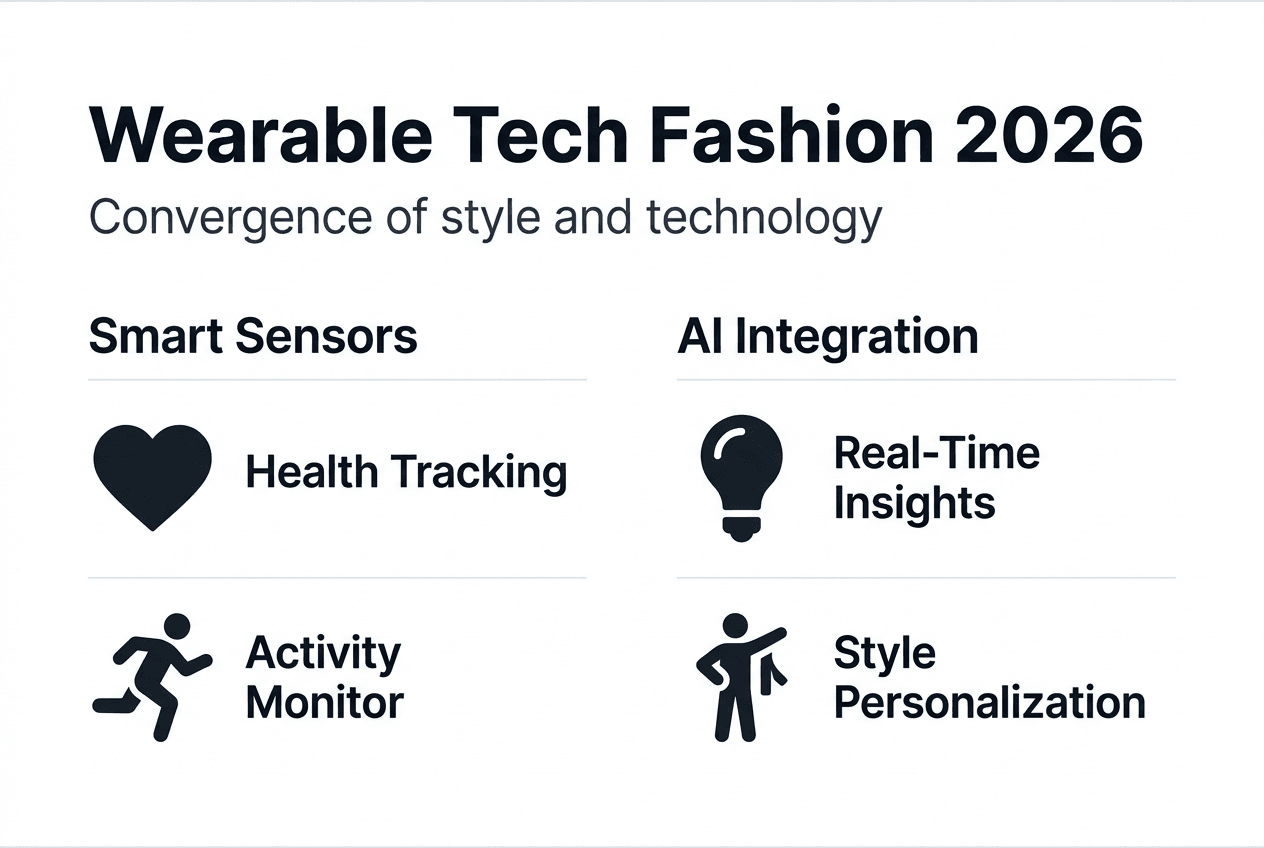
Real-time inference capability represents a major breakthrough in wearable computing. Researchers demonstrated that motion capture models can run at 42 FPS on commercial smartwatches without quantization or optimization tricks that sacrifice accuracy. This performance enables immediate feedback during workouts or activities, eliminating the frustrating lag that plagued earlier devices.
Processing speed matters for fashion wearables because it enables seamless interaction. When you tap your watch or adjust a setting, instant response feels natural and premium, matching the quality expectations you have for luxury accessories. Battery efficiency improves simultaneously because optimized AI models consume less power while delivering faster results.
Key AI enhancements in wearable tech fashion:
- Adaptive sensor calibration adjusting to individual body chemistry
- Predictive health alerts identifying trends before problems develop
- Context-aware notifications filtering irrelevant information
- Personalized coaching recommendations based on historical patterns
- Privacy-focused edge computing keeping data on device
User-centric design principles ensure technology serves style rather than dominating it. This means hiding complexity behind intuitive interfaces, using haptic feedback instead of intrusive alerts, and designing cases that complement rather than clash with clothing choices. The wearable accuracy and AI benefits become apparent when technology fades into the background, working invisibly to support your goals.
Comfort factors heavily into sustained use. Devices that irritate skin, catch on clothing, or feel unbalanced get abandoned in drawers regardless of their technical capabilities. Successful wearable fashion prioritizes ergonomics equally with electronics, using hypoallergenic materials, ventilated designs, and weight distribution that feels natural during all-day wear.
Discover stylish modular smartwatch straps at Smartlet
After exploring how wearable tech fashion merges innovation with aesthetics, you might wonder how to implement these concepts in your own collection. Smartlet’s modular watch straps offer a practical solution for wearing two watches comfortably on one wrist, combining your favorite mechanical timepiece with a functional smartwatch.
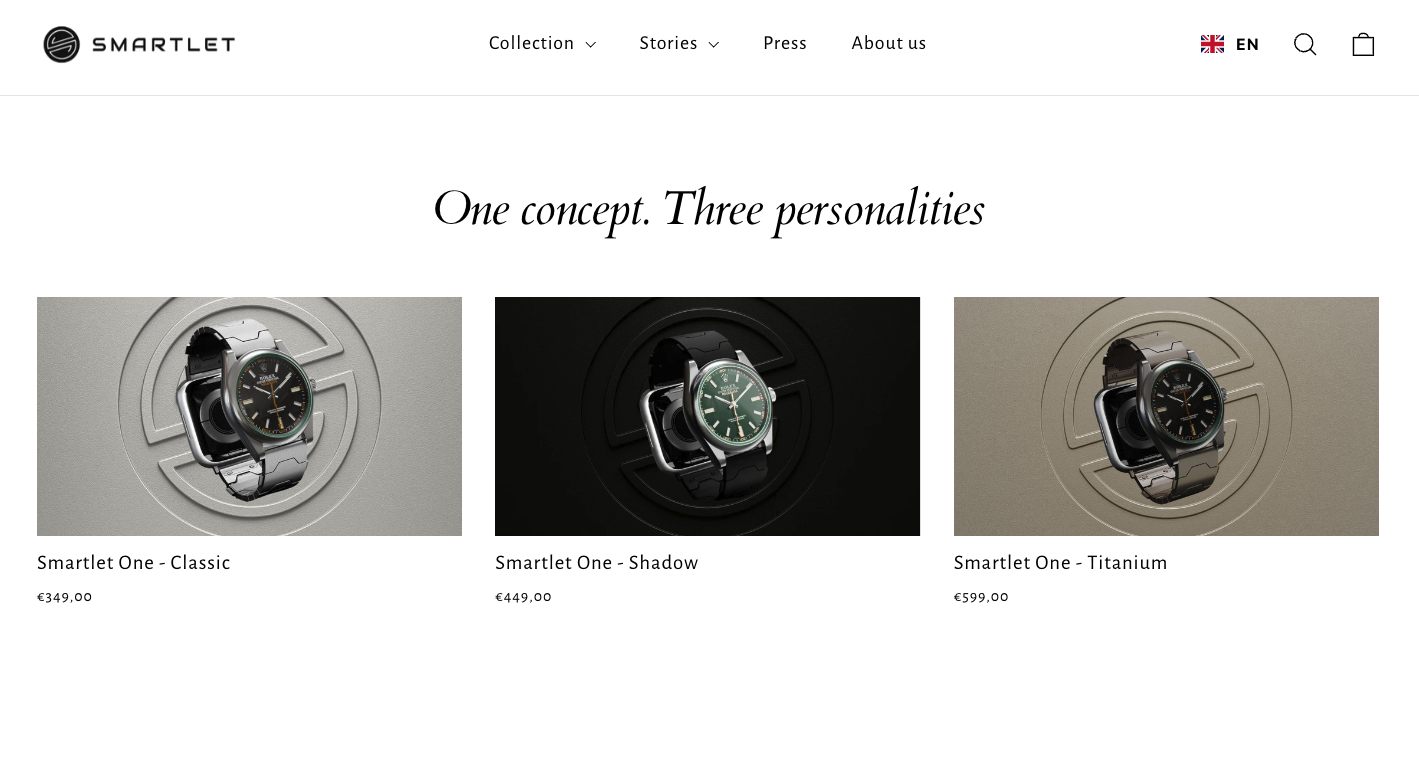
Their patented Paris-designed system eliminates the need to choose between classic style and modern functionality. The smartwatch compatibility guide helps you find perfect matches for any combination, whether you’re pairing a vintage Rolex with an Apple Watch or mixing other premium brands. Premium materials and elegant design ensure your wrist setup makes a fashion statement while delivering all the health tracking and connectivity features you need in 2026.
Frequently asked questions
What exactly is wearable tech fashion?
Wearable tech fashion combines functional electronics with clothing and accessories designed for aesthetic appeal. Instead of obvious gadgets, these products integrate sensors and computing into fabrics, watch straps, and jewelry that match your personal style while tracking health metrics or providing digital connectivity.
What are the main benefits of combining technology with fashion accessories?
You gain continuous health and activity monitoring without sacrificing style or comfort. Modern wearable fashion uses textile sensors and AI to deliver near medical-grade accuracy while looking like regular clothing, plus modular systems let you customize combinations to match different outfits or occasions.
What challenges exist when integrating technology into fashion items?
Manufacturing complexity can cause delays, as seen with advanced display technologies requiring new bonding techniques. Balancing sensor sensitivity with fabric flexibility involves trade-offs, and maintaining electronics through washing cycles demands specialized materials that increase production costs compared to standard textiles.
How do I choose fashionable wearable tech that suits my style?
Start by identifying your priorities between health tracking features and aesthetic preferences. Check compatibility guides if mixing traditional watches with smartwatches, verify wash cycle ratings for textile wearables, and select materials like titanium or ceramic that match luxury accessory quality standards you expect.
How does AI enhance the wearable fashion experience?
AI processes sensor data in real time to provide immediate feedback without lag, personalizes health insights based on your unique patterns, and filters notifications to reduce interruptions. Machine learning improves accuracy by adapting to your physiology, making alerts more relevant while running efficiently to preserve battery life throughout your day.
Empfohlen
- The Fashionista, wearing technology without compromising his style – Smartlet
- Smartlet tragen, von Christopher, Führungskraft im Technologiebereich
- CES 2026: Mit diesem Smartlet-Armband können Sie eine Apple Watch und eine klassische Uhr gleichzeitig tragen.
- Sunglasses: Your Ultimate Guide to Style and Fit – 4 VISION
- Top Exhibition Stand Design Trends 2026


