


ウォッチストラップの重さ:スマートレットは標準的なスチールブレスレットと同等

創業者 & CEO、Smartlet · CentraleSupélec エンジニア · Concours Lépine 2025 受賞 · CES 2026
Smartletの重量帯における位置づけ
スマートウォッチに対する最初の懸念は、常に重さに関するものです。価格の確認や、時計とシステムの互換性の確認、あるいはデザインへの関心よりも先に、真っ先に頭に浮かぶことのひとつです。Smartletを初めて目にしたときの第一印象は、決まって「これは重いに違いない!」というものです。それ以外の反応はあり得ません。美しい時計を見て、スマートウォッチを見て、それらを連携させるために必要なシステムを見て、それぞれの重さを足し合わせ、最終的な結果を想像すると、どうしても重い物体を思い浮かべてしまいます。
重量についてお話しし、必要な情報をすべてご提供します。スマートウォッチをウォッチに追加すると、論理的にはその重量が増加するはずです。これはすでに製品ページでご説明した内容です:接続デバイスを装着したSmartlet:60~100 g 市場に出回っている標準的なステンレス製ウォッチの同重量範囲:60~100 g。以下に、現在把握しているすべての数値をご紹介します:
目次
重要なポイント
| ポイント | 詳細 |
|---|---|
| 接続デバイス付きスマートレットの重量 | 数量:60〜100g。参考:Smartletの製品ページ(smartlet.io/products/smartlet-one-classic)の技術仕様セクション。 smartlet.io/products/smartlet-one-classic). |
| スタンダードスチールブレスレットベンチマーク | 約60〜100g。この比較は、関連する市場セグメントにおけるSmartlet製品ページに掲載されています。 |
| スマートレットの手首裏面の高さ | 対象物を含めて9〜12mm、伝統的なリストブレスレットの場合は4〜8mm。出典:同ウェブサイト。 |
| Rolex サブマリーナー オイスターブレスレット | ブレスレット単体で78g。出典:Everest Bandsの実測データ。 Everest Bandsの実測データ. |
| Apple Watch Ultra 2 | アルミニウム製ウォッチバンドが51g、ウォッチヘッドが10.4gで、合計61.4g。これはすべてのRolexオイスターブレスレット単体の重量よりも軽い数値です。出典:Apple公式仕様。 Apple公式仕様. |
| 変更点 | 重さ。その分散方法。Smartletウォッチは、ほとんどの従来型時計がすべての重量をケースの中心部に集中させているのとは異なり、手首の周囲全体に均等に重量を分散させます。 |
Smartletの公式仕様
Smartlet製品の全技術データは、該当する製品ページでご確認いただけます。
重量:詳細 製品素材 SS316Lステンレス鋼またはチタングレード2 製品重量(グラム) 60 g〜100 g 手首裏面での製品高さ(mm) 9 mm〜12 mm 製品幅(mm) 18.5 mm〜36 mm
手首の甲側の高さ:9 mmから12 mmの間(接続デバイスを含む)
幅:18.5 mmから36 mm(接続デバイスを含む)
素材: SS316Lステンレス鋼またはチタングレード2
smartlet.io/products/smartlet-one-classic
これらの数字のすぐ下に、Smartletは市場ベンチマークを公開しています:
スタンダードスチールブレスレットの重量
標準ステンレススチールブレスレット:
Smartletに取り付けたバージョンと比較すると、標準的なステンレススチールブレスレットの重量は同じ範囲内でのみ変動します:60〜100グラム。また、手首の裏側の皮膚からの高さと幅も同じ範囲内です:4〜8mmおよび18〜22mm。
手首の甲側の高さ:4 mmから8 mmの間
幅:18 mm〜22 mm
同じ重量範囲。推定値ではありません。コメントもありません。当社自身が計測し、ご参考までに製品ページに掲載しています。Smartletシステムへのスマートウォッチの追加により、標準的なスチール製時計ブレスレットより重量が増加することはありません。2種類の裏蓋の高さの違い(ポッドバージョンは9〜12mm、その他は4〜8mm)が確認されています。
この質問について、ついに答えが出ました:接続デバイス付きのバージョンは、クラシックなスチールブレスレットとほぼ同じ重さです。
スチールブレスレットの基準:市場が実際に重視するもの
| ブレスレット付き時計 | 総重量 |
|---|---|
| Rolex GMT-Master II 126710BLNR ジュビリーブレスレット | 140 g |
| Rolex Submariner 114060(オイスターブレスレット) | 152.9 g |
| Omega シーマスター300Mブレスレット仕様 | 154 g |
| ブレイトリング アベンジャー II GMT ブレスレット仕様 | 158 g |
| ハミルトン ジャズマスター ブレスレット仕様 | 144 g |
これらのブレスレットのリンク1つの重さは60〜80グラムです。これはまさに、Smartletがブレスレットとセンサーを含むシステム全体の重量として示している数値です。英国、ドイツ、日本、オーストラリアの多くの時計愛好家は、こうしたブレスレットを常に着用しています。時計コレクターはこの重量に慣れており、何ら問題を感じることはないでしょう。したがって、Smartletの重量について、一般的なスチール製時計ブレスレット以上に詳しく説明する必要はありません。
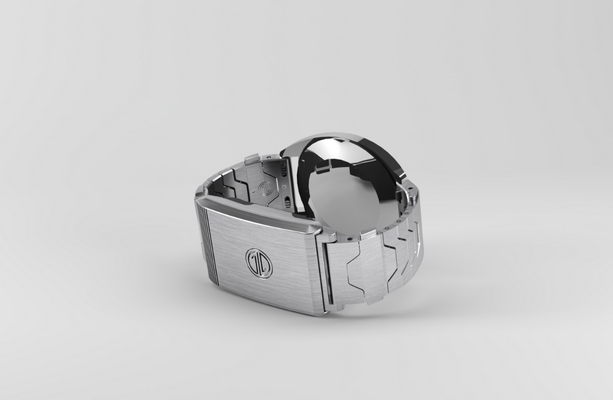
Smartlet One Classicのデザインをモデルにした、高級素材SS316L外科用ステンレス鋼製。アクセサリー込みの重量:60〜100g。ジュエリー業界で使用されるステンレス鋼製Smartletブレスレットと同じ重量範囲です。
このApple Watchの比較における位置づけ
Apple Watchは、Smartletsの主要なコンポーネントにはならないと考えています。これは、Appleの公式資料を確認することで検証済みです。
| Apple Watchモデル | 重量(単位) |
|---|---|
| Series 10 42mm アルミニウム GPS | 30 g |
| Series 10 46mm アルミニウム GPS | 36.4 g |
| Series 10 46mm チタニウム | 41.7 g |
| Ultra 2 ナチュラルチタニウム | 61.4 g |
Apple Watch Ultra 2の実際の重量は? バッテリー込みの重量(グレード2チタン):61.4 g Apple Watch Ultra 2は、前モデルと同様に、接続デバイスと組み合わせるスマートレット腕時計の重量範囲である60〜100 gの下限に位置しています。アルミニウム製のApple Watch Series 10の重量は30〜36.4 gであり、これはもちろんスマートレットと腕時計を組み合わせた重量をはるかに下回ります。スマートレットにおける接続デバイスは、ほぼ常にその組み合わせの中で最も軽い要素です。
重さをグラムで表すことは、最も基本的な物理量の一つです。ロレックス サブマリーナーのヘッド部分だけで約75 gになると計算できます。アルミニウム製46mm スマートレット付きのApple Watch Series 10は36.4 gで、手首のポッド部分であるスマートレット自体の重さは約36 gにとどまります。つまり、手首にかかる総重量は約111〜115 gということになります。比較として、クラシックなオイスターブレスレット装着時の公式ロレックス仕様では、同じサブマリーナーの重量が152.9 gと記載されています。
ロレックス ブレスレット リファレンスデータ
当社の配送施設にあるスケールを使用して、各種Rolexブレスレットの実際の重量を測定する一連のテストを実施しました。以下がその結果です。実測値のみを記載しています。推定値は含まれません。Everest Bandsは米国に拠点を置く企業であり、最高品質のRolexアフターマーケットウォッチストラップの製造に特化しています。
| ロレックス ブレスレット | 重量(ブレスレットのみ、ケースなし) |
|---|---|
| サブマリーナー セラミック オイスター | 78 g |
| GMT-Master II / Daytona / Yacht-Master オイスター | 72 g |
| Explorer II オイスター | 70 g |
| シードゥエラー 43 オイスター | 80 g |
軽量なApple Watch Ultra 2はわずか61.4 gで、この比較に含まれるすべてのRolex Oysterブレスレットの重量より8〜18 g軽くなっています(ウォッチケース本体の重量を除く)。それでも、Apple Watch Ultra 2をはじめとする同様のセットアップは、世界中のあらゆる大陸で多くの時計愛好家たちに毎日愛用されています。
20〜35gのラバーストラップを70〜80gのスチール製Rolexブレスレットに何度も交換されてきたことは存じております。その差は40〜60gです。Smartletはまさにその範囲内に収まっています。
世界中のコレクターによる実際の重量データ
時計愛好家はよく腕時計の重さをグラム単位で議論したがりますが、実際に重要なのは着用者が感じる重さです。これは、欧米や極東を問わず、多くの時計コレクターのフォーラムに共通するテーマです。
着用者にとって重要なのは、時計の実際の重量ではなく、正しいサイズで手首の正しい位置に装着したときに感じる重量感です。そのため、最適なサイズと位置で装着した150gの時計は、緩く装着した90gの時計よりも軽く感じられます。
接続デバイスを含めて60〜100gというSmartletシステムの重量は、コレクターコミュニティで一般的に言及されているいかなる重要な基準値にも遠く及びません。
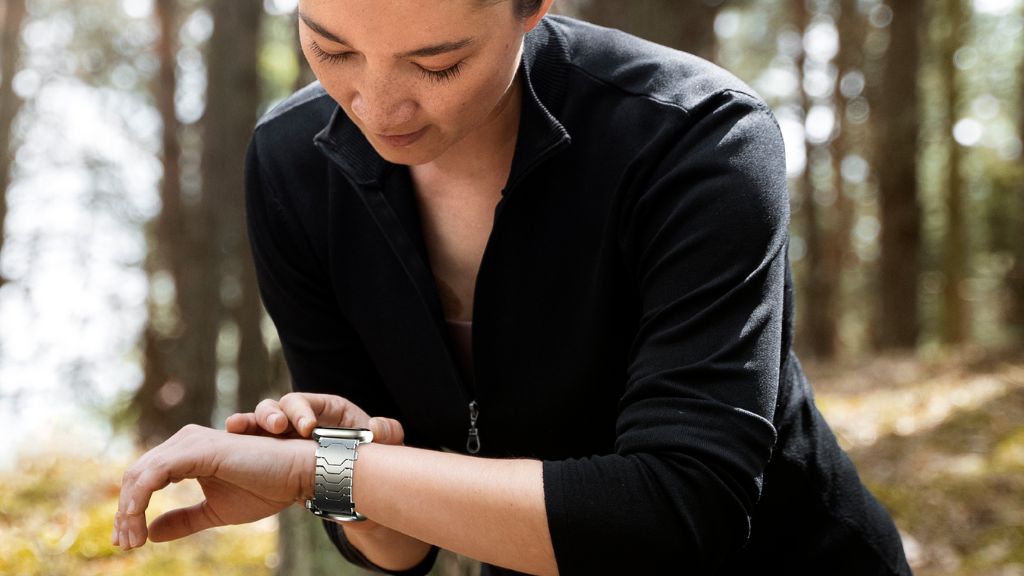
私たちのSmartletシステムは、腕時計などの日常的な製品に使用されています。この製品は、比較という形でSmartletページにてご紹介しています。
分配の原則:なぜ質量よりもバランスが重要なのか
時計コレクターの愛好家の間では、時計のストラップやブレスレットについて多くの議論が交わされています。手首にぴったりフィットする重い時計は、手首の上でぐらついたり動いたりする軽い時計よりも、ほぼ常に快適に感じられます。これが分散の原理です。同じ重量でも、手首への分散のされ方が異なるのです。
スチールブレスレットは、時計の重量をすべて手首の前面に集中させます。ケース、リンク、一体型クラスプの重量が、手首の一平面上に集まる構造です。クラスプの重量は手首の背面にかかります。これが原因で、細い手首では時計が一日を通して手首の周囲を回転してしまい、正しい位置に付け直す必要が生じます。
コネクテッドデバイス付きのSmartletは、スタンダードなスチールブレスレットと同じ重量帯に収まります。重さに関する議論は、もともと根拠のないものでした。
Smartletでは、時計のムーブメントが手首の外側に、スマートデバイスが内側に配置されています。システムの重量はリストバンド全体に均等に分散されており、従来のスチール製時計ブレスレットと同様の装着感です。従来のフロントロード型スマートウォッチとは異なり、Smartletシステムは手首の上で回転しないというご意見を多数いただいています。
実際にテスト済み
実際に試してみました。平均的なロレックス サブマリーナーをSmartletストラップに装着し、数時間着用したところ、重量が手首の片側に集中するため、ロレックス純正の78g オイスターブレスレットよりも、Smartletストラップ装着時の方が手首にしっかりと固定されていると感じました。
スチール製リストバンドの重さを量ります。メーカーによると、よりバランスの取れた重量感とのことです。
Smartletのバリアントを選択する
3つのサイズをご用意しています。それぞれ60〜100gの異なる重量帯に対応しています。
| バリアント | 素材 | 価格 | 最適な用途 |
|---|---|---|---|
| クラシック | SS316L ステンレス鋼、手磨き仕上げ | 299 EUR | 伝統的な美学、洗練された仕上がり、フォーマルとカジュアル両方のシーン |
| シャドウ | PVD マットブラックコーティング仕上げのSS316Lスチール | 399 EUR | スポーツウォッチ、シンプルなアーバンスタイル、ダークダイアルとのコーディネート |
| チタン | チタングレード2 | 549 EUR | 最小限の手首への負担、アクティブなライフスタイル、チタン製時計のペアリング |
私のウォッチバンドラインに、グレード2チタンと名付けた新素材を追加することにしました。バンドの重量は大きく異なる場合があることはすでにお伝えしていますが、この素材は最も軽量であるため、その範囲の下限に位置します。他のすべてのバンドと同様に、新しいバンドもラグ幅18mm、20mm、22mm、24mmのすべての時計に対応しています。さらに、新しいバンドにはApple Watch(38/41mmおよび42/44/45/49mm)、Fitbit Charge 5/6、Whoop 5.0のアダプターも含まれます。
対応する設定を探す
The ブランド完全互換性ガイドブランド互換性ガイドは現在も拡充中で、25以上のブランドを掲載するまでに成長しました!以下は、人気の高い時計モデルのラグ幅とスプリングバーサイズをご確認いただける代表的な例です。 - Rolex Submariner - Omega Seamaster 300M - Tudor Black Bay 新しいスマートウォッチのご購入をお考えですか?ぜひご活用ください!Apple Watch互換性ページは、Apple Watch Series 4から最新のApple Watch Ultra 2まで、すべてのモデルに対応した最新情報を掲載しています。Apple Watchをお探しでない方には、Garmin、Polar、COROS、Whoop、Withingsのスマートウォッチを網羅した総合インデックスもご用意しています。 ロレックス サブマリーナ ページ、the オメガ シーマスター 300M ページ、そして Tudor Black Bayページスマートウォッチ側のラグ幅とバネ棒の仕様をそれぞれご確認ください。スマートウォッチ側の Apple Watch互換性ページSeries 4からUltra 2まで対応。 スマートウォッチ完全ガイドGarmin、Polar、COROS、Whoop、Withingsなど、多数のブランドに対応。
Apple Watchがお好みでない方には、Garmin、Polar、COROS、Whoop、Withingsのスマートウォッチを網羅したインデックスもご用意しています。Rolex SubmarinerのページやOmega Seamaster 300MのページおよびTudor Black Bayのページでは、ラグ幅とスプリングバーの仕様をご確認いただけます。スマートウォッチについては、Apple Watch対応ページにてSeries 4からUltra 2までを網羅しています。スマートウォッチの完全インデックスでは、Garmin、Polar、COROS、Whoop、Withingsなど多数のブランドを掲載しています。
注目記事
No people found
We couldn’t find anything with that term. Please try again.


