


Smartletで心拍変動を監視し、自信を持ってコーチング

創業者 & CEO、Smartlet - CentraleSupelec エンジニア - Concours Lepine 2025 受賞 - CES 2026
目次
重要なポイント
| ポイント | 詳細 |
|---|---|
| 妥協はもう不要 | Smartletは、トレーナーがプロフェッショナルな外見を損なうことなくHRVをモニタリングできるウェアラブルデバイスです。 |
| 継続的なデータが重要です | 正確なHRVインサイトを得るには、特に夜間、毎日デバイスを装着する必要があります。 |
| ほとんどのデバイスに簡単に設定できます | ほとんどのメカニカルウォッチとスマートウォッチの組み合わせは、簡単なセットアップでSmartletと連携できます。 |
| モデルデータ駆動型コーチング | トレーナーが自己管理を徹底することで、クライアントもその姿勢を見習い、より良い成果を上げられるようになります。 |
クライアントは心拍も睡眠サイクルもリカバリースコアもすべて記録しているのに、あなたは何も記録していない。その差は皮肉なだけではなく、パフォーマンス上のリスクです。HRVを継続的に測っていないコーチは、気づかないうちにリカバリー不足を積み重ね、セッションの質や判断力、長期的な回復力を損ないます。MDPI Sensors 2025によれば、自分自身のモニタリングを怠るコーチは、トレーニング期間を通じてオーバーリーチや不調に陥りやすいとされています。Smartletはまさにこのために作られました。機械式時計とパフォーマンス用スマートウォッチを同じ手首に同時に着けられる特許取得済みのモジュラーストラップです。プロとしての印象はそのままに、健康データは途切れません。
コーチにとって回復状況のモニタリングが重要な理由
HRV(心拍変動)とは、連続する心拍間のミリ秒単位の変動を測定する指標です。多くのアプリが表示するのはrMSSDという値で、副交感神経系の活動と、トレーニング負荷からの身体の回復効率を反映しています。パーソナルトレーナーにとって、rMSSDが低いからといって必ずしも問題があるわけではありません。まず自分自身のベースラインを把握することが大前提です。
コーチとして、あなた自身も重要な存在です。エネルギー、キューイングの精度、そしてクライアントが疲労を蓄積していく中でフォームを見極める能力は、すべてあなた自身のリカバリー状態に左右されます。HRVはその状態を直接把握できる手段であり、自律神経のバランスが目に見えて乱れる前に、早期警告システムとして機能します。 HRVは強力な指標です
「HRVを活用したトレーニングは、持久力の成果をより意味のある形で測定できるだけでなく、従来の周期的プログラムに反応しないアスリートの数を減らすという、さらに重要な効果をもたらします。コーチにとって、これは最も実用的なツールの一つといえるでしょう。」 無反応者を減らします
HRVはトレーナーが自身のプログラム管理を変革する可能性を秘めているが、いまだ広く活用されていないのが現状だ。そのギャップの大部分は3つのパターンで説明でき、それぞれに測定可能なコストが伴う。
- 「クライアントを管理するのは私の仕事。自分自身は管理しない。」この考え方が、盲点を生み出します。クライアントの指標だけに集中していると、自分自身の回復不足に気づかないまま仕事を続けることになり、それこそがコーチングの質が低下し始めるタイミングです。 「自分ではなく、クライアントを管理する。」
- 「スマートウォッチはプロらしくない。」そう感じてトレーナーたちは、Garmin FenixやPolar Vantageをバッグにしまったまま、セッションとセッションの間に何日分ものベースラインデータを失ってしまいます。 「スマートウォッチはプロらしくない。」
- 「大丈夫です。」主観的な疲労感は、生理学的指標より24〜48時間遅れて現れます。「大丈夫」と感じることは、回復していることとイコールではありません。HRVは、その乖離が表面化する前にキャッチします。 「気分は良いです。」
スマートウォッチは着けるだけでは足りません。クライアントが期待するプロらしい印象を損なわない着け方が必要です。Smartletなら、対応するスマートウォッチを手首の内側に、機械式時計を外側に向けて着けられ、専門家としての印象を崩さずにHRVを継続的に計測できます。Kubiosなどのプラットフォームが示すHRVに基づくプロトコルでも、途切れない継続的な装着こそがデータの質を左右する最大の要素とされています。HRVに基づくプロトコル
パラドックス:プロフェッショナルなイメージと絶え間ない自己監視
チュードル ブラック ベイやセイコー プロスペックス SPB143を着けたトレーナーは、信頼感・経験・センスを体現します。そのイメージに無骨なフィットネストラッカーが加わると、せっかくの印象が崩れてしまいます。セッション外だけスマートウォッチを着けるという解決策をとるトレーナーもいますが、それではHRVのベースラインが途切れてしまいます。正確なデータを得るには、複数日にわたってほぼ継続的に装着する必要があり、特に夜間や朝の計測時間帯は欠かせません。
結果として生じるのはデータの不整合であり、データがまったく存在しない状態よりもむしろ問題が大きいとも言えます。断片的なベースラインでは、信頼性の高いプログラムの意思決定を支えることができません。
これが実際に起こる場面:
- トレーナーが企業向けウェルネスセッションで洗練された印象を与えようと、COROS Apexを外す。3回の計測が抜け落ち、ベースラインがずれていく。
- A trainer skips wearing their Garmin during a weekend retreat. Returns Monday with no recovery context for a heavy programming week.
- トレーナーがクライアントの写真やSNSコンテンツ撮影のために毎回デバイスを外している。データの欠損が積み重なり、数週間にわたって影響が拡大する。
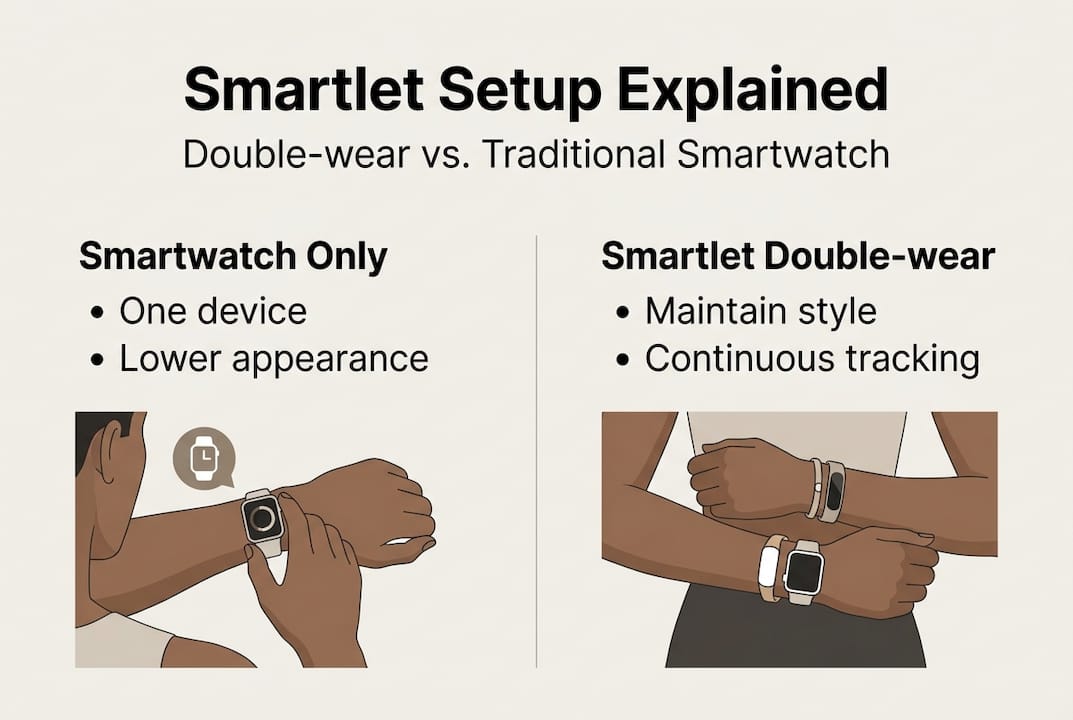
The ダブルウェアセットアップ Smartletはこの問題を直接解決します。各オプションの比較は以下の通りです:
| 特徴 | 従来のスマートウォッチのみ | スマートレット ダブルウェア |
|---|---|---|
| プロフェッショナルな外観 | 低 | 高 |
| 継続的なHRVトラッキング | はい | はい |
| お客様向け画像 | 中断 | 保存済み |
| ベースラインの一貫性 | 着用習慣によって異なります | 最大化 |
| 通知の設定 | クライアントに表示 | 手首の内側、さりげなく |
この組み合わせは、思ったより軽いものです。Smartletはほとんどかさばらず、多くの人が数日着けるうちに重さを気にしなくなります。CNETも指摘しています
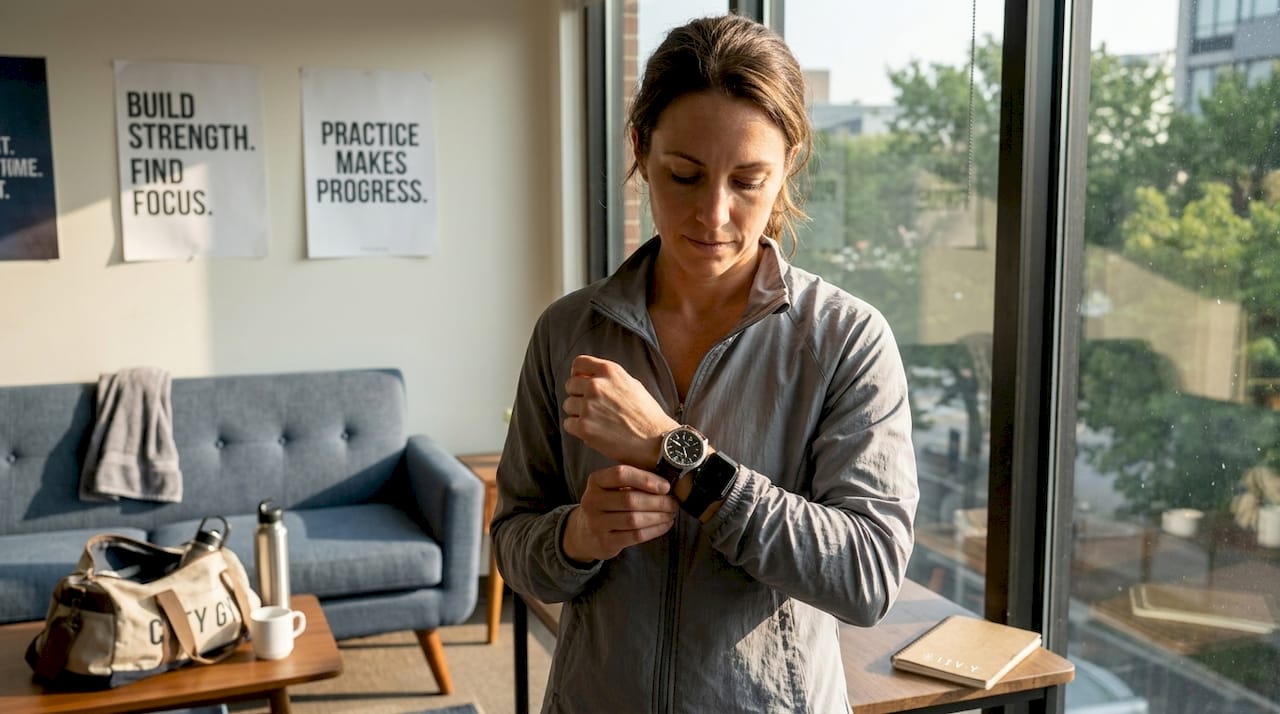
インナーリスト型スマートウォッチを活用して、セッション中の通知をサイレントで管理しましょう。クライアントとのアイコンタクトを保ちながら、さりげなく確認できます。気が散っているように見せることなく、迅速な対応が可能です。
Smartletの設定方法:必要なものと仕組みについて
始めるのに必要なのは3つ。ラグ幅18〜24mmの機械式時計、対応するスマートウォッチかフィットネストラッカー、そしてSmartletです。Smartletには、機械式時計用のウォッチアダプターと、Apple Watch、Fitbit Charge 5/6、Whoop 5.0 / MG用のアダプターが同梱されています。
互換性と素材に関する簡単なリファレンスです:
| Smartletバージョン | 素材 | 重量 | 最適な用途 |
|---|---|---|---|
| クラシック (299 EUR) | ブラッシュドSS316Lスチール | スタンダード | デイリーコーチングウェア |
| Shadow(399 EUR) | ブラッシュドSS316Lスチール | スタンダード | ローフォルムな美しさ |
| チタニウム (549 EUR) | グレード2チタン | ライター | 長時間のセッション、旅行 |
ブラッシュドSS316Lは、Omega Speedmasterのケースに使用されているのと同じ鋼種です。グレード2チタンはスチールより軽く、アルミニウムより強度が高く、長時間のコーチング活動や移動に最適です。
セットアッププロセス:
- 機械式時計のラグ幅(18〜24mm)をご確認ください。Hamilton Khaki FieldやTudor Black Bayであれば、加工不要でそのままお使いいただけます。詳しくはラグ幅の完全ガイドをご覧ください。 ラグ幅の完全ガイド
- スマートウォッチの互換性をご確認ください。Apple Watchの各モデルに対応しており、PolarおよびWhoopデバイスもサポートしています。Garmin FenixWhoop
- 同梱のバネ棒外しで元のストラップを外し、Smartletのウォッチアダプターをラグ穴に取り付けます。
- スマートウォッチをセカンダリラグシステムを使用して手首の内側に装着してください。特許取得済みのダブルロック機構により、動作中も両デバイスをしっかりと固定します。
- センサーの接触を確認してください。手首の内側への装着は、PPGおよびHRVの継続的な計測に最適です。その部位は皮膚が薄く血流にアクセスしやすいため、一日を通じて信号品質が向上します。
フィット感が均一でない場合は、両方のスプリングバーがしっかりと装着されているか確認してください。手首周りが16cm未満の方には、チタニウムバージョンの軽量設計が快適性を大幅に向上させます。重度の発汗を伴う一日中の屋外ブートキャンプには、Polar H10のような胸部ストラップをセッション中の手首ベースHRV計測の補助として活用でき、それ以外の時間帯はSmartletが対応します。
Rolexとの互換性については、ラグ幅の確認のみが事前チェックとして必要です。ブランド互換性ガイドの完全版では、主要な機械式時計のリファレンスをすべて網羅しています。 Rolex対応ブランド互換性ガイド
ベストプラクティス:HRVトラッキング、セッションのマナー、効果を最大化する方法
ハードウェアを揃えることは第一歩に過ぎません。実際に成果をもたらすのは、それを活かす習慣を築くことです。
- HRVに基づいてトレーニングの判断を行う前に、7〜30日間継続して装着してください。Elite HRVやHRV4Trainingのようなアプリは、まさにこの目的のために設計されています。ベースラインは個人によって異なります。自分のrMSSDをクライアントのものや公表されている平均値と比較しないでください。 まずベースラインを確立してください。7日から30日間、継続してご着用ください
- 朝のHRVは最も安定した数値です。コーヒーを飲む前、スマートフォンを確認する前、交感神経系を活性化させるあらゆる行動の前に計測してください。 カフェインを摂る前に、毎朝確認してください。
- セッション中は常にスマートウォッチを手首の内側に装着してください。クライアントとの作業中はサイレントモードが必須です。手首の内側への装着により、コーチングの存在感を損なうことなく、目立たずに通知を確認できます。 セッションのマナー。
4週間ごとに、クライアントのプログラミングサイクルと並行して自身のHRVトレンドを見直しましょう。高ボリュームブロック中に自分のHRVが低下している場合、それはクライアントだけでなく、自身のトレーニング負荷を軽減すべきサインです。
おすすめのツールと習慣:
- アプリ: Elite HRV、HRV4Training、Garmin Connect、Polar Flow
- 緊急性のない通知はすべてサイレントに設定してください。セッション中に振動を許可するのは、緊急連絡先のみとしてください。 通知のマナー:
- クライアントに自身の回復トレンドを見せることは、信頼性を高めます。それは、あなたが方法論を単に処方するだけでなく、自ら実践していることを示します。 データの共有:
- 旅行中も、Suuntoとの互換性があるため、特定のエコシステムに縛られることはありません。Smartletアクセサリーキットを持参すれば、タイムゾーンやイベント形式に合わせてストラップをすばやく交換できます。 旅行と長いトレーニング日:Suunto対応スマートレットアクセサリー
HRVアプリの基本を超えた活用法については、HRVモニタリングと胸部ストラップ精度ガイドに、ピリオダイゼーションの統合について実践的な詳細が記載されています。 HRVモニタリングと胸部ストラップ精度ガイド
本当の強み:自己モニタリングを実践するトレーナーが業界標準を確立する理由
従来の考え方では、トレーナーはクライアントだけに集中すべきとされています。クライアントの睡眠を記録し、コンディションを確認し、負荷を調整する。しかし、その考え方は不完全であり、率直に言えば、本末転倒です。
今まさに基準を打ち立てているトレーナーたちは、データドリブンコーチングの実践例として自らのデータを活用している人たちです。クライアントがコーチのGarmin Fenixの数値をちらりと確認しながら「今朝はHRVが低下していた」と言うのを目にしたとき、何かが変わります。信頼が深まり、取り組む意欲が高まり、メソッドがリアルなものとして感じられるようになります。Garmin Fenix
自己モニタリングを実践するトレーナーは、回復を教科書の知識としてではなく、自身の体験として理解しているため、より深く共感し、より優れたプログラムを設計できます。自分自身のデータを追跡することは、気づかないうちにキャリアを終わらせてしまうバーンアウトの予防にもつながります。HRVは、パフォーマンスに影響が現れる数ヶ月前から、その変化を捉えることができます。
機械式時計とパフォーマンストラッカーを両方着けたコーチは、専門性と厳格さという二重のシグナルを発している。そのような組み合わせは稀だ。そして、それこそがクライアントがプレミアムを支払う理由でもある。 スマートウォッチ心拍モニタリング
「自身のリカバリーを記録するトレーナーは、より自信を持ってコーチングできるだけではありません。確かな根拠を持ってコーチングできるのです。」
次のステップ:Smartletの入手方法とコーチングの最適化
Smartletは現在、米国、カナダ、EU、日本のトレーナーの皆様にご利用いただけます。記憶に頼ったコーチングからデータに基づくコーチングへの移行は、スムーズに行えます。
バージョン選択はsmartlet.ioから。Classic、Shadow、Titaniumの中から、ペアリングする時計や日常使いのスタイルに合わせてお選びいただけます。ご注文前に互換性ガイドをご確認いただき、お手持ちの機械式時計とスマートウォッチが対応しているかどうかをご確認ください。アクセサリーコレクションでは、あらゆる構成に対応したアイテムを取り揃えています。 smartlet.io互換性ガイドアクセサリーコレクション
おすすめ
- HRVモニタリング、機械式時計、胸部ストラップの精度
- マラソントレーニングとスマートウォッチによるモニタリング
- スマートウォッチの心拍モニタリングが命を救う理由
- RolexとGarmin Fenix:コレクター向け両腕着用ガイド2026
- Garmin Fenixコンパティビリティガイド
注目記事
No people found
We couldn’t find anything with that term. Please try again.


